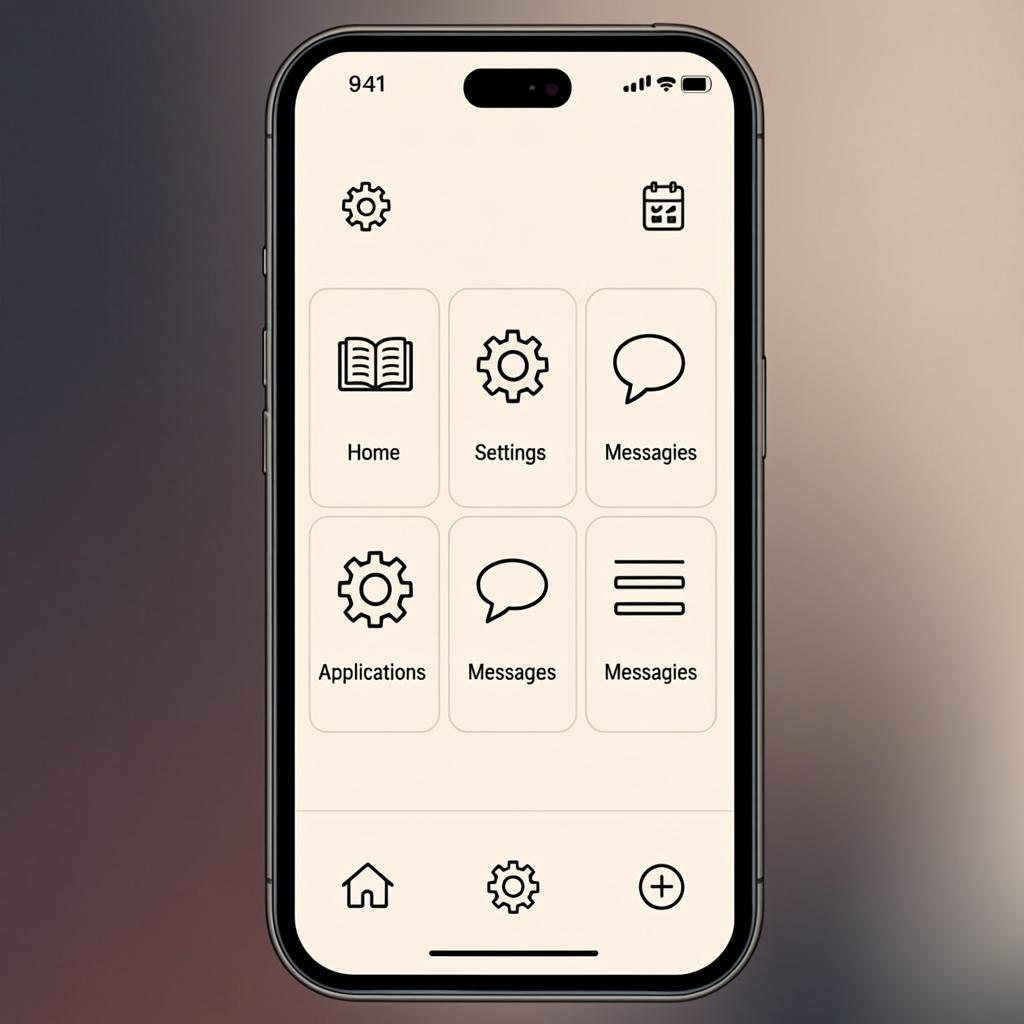

As we approach 2025, the digital landscape continues to evolve at a rapid pace. Minimalist web design, which has dominated the past decade, is undergoing a transformation. In this article, we explore the emerging trends that will shape how we approach minimalist design in the coming year.
The Evolution of Minimalism
Minimalism in web design has always been about stripping away the unnecessary and focusing on what truly matters. However, as technology advances and user expectations grow, the definition of "minimal" is expanding. The minimalist designs of 2025 will be characterized by purposeful simplicity—every element must earn its place on the page.
This evolution is driven by several factors: the need for faster load times, the rise of mobile-first indexing, and the growing importance of accessibility. Designers are learning that minimalism isn't just about having fewer elements—it's about having the right elements in the right places.
"True minimalism is not about creating empty spaces, but about creating meaningful spaces that guide the user naturally through the content."
Key Trends to Watch
1. Bold Typography Takes Center Stage
Typography is becoming the primary visual element in minimalist designs. Expect to see larger, more expressive fonts that make a statement while maintaining readability. Variable fonts will allow for more nuanced typographic hierarchies without sacrificing performance.
Typography Tips for 2025:
- Use a maximum of two font families
- Embrace variable fonts for flexibility
- Consider readability across all devices
- Use typography as your primary visual element
2. Subtle Animations and Micro-interactions
While minimalism traditionally avoided animations, 2025 will see a rise in purposeful motion design. These aren't flashy effects but subtle transitions that enhance user experience and provide feedback. Scroll-triggered animations, hover states, and loading sequences will become more refined and intentional.
3. Advanced White Space Techniques
White space (or negative space) is being reimagined. Instead of simply leaving areas empty, designers are using white space strategically to create visual rhythm and guide user attention. This includes asymmetric layouts, intentional breathing room, and dynamic spacing that adapts to content.
The Role of AI in Design
Artificial intelligence is changing how we approach minimalist design. AI-powered tools can now analyze user behavior and suggest optimal layouts, color schemes, and content placement. This data-driven approach ensures that minimalist choices are backed by real user insights rather than pure aesthetic preference.
However, the human touch remains irreplaceable. AI can suggest, but the designer must curate. The most successful minimalist designs of 2025 will be those that combine AI efficiency with human creativity and empathy.
Looking Ahead
The future of minimalist web design is bright and nuanced. As we move into 2025, expect to see designs that are simultaneously simpler and more sophisticated—where every pixel has a purpose and every interaction is intentional. The best minimalist designs will be those that feel effortless to users while being meticulously crafted by designers.
Whether you're a designer looking to refine your craft or a business owner planning your next website redesign, embracing these trends will help you create digital experiences that resonate with modern audiences while standing the test of time.